


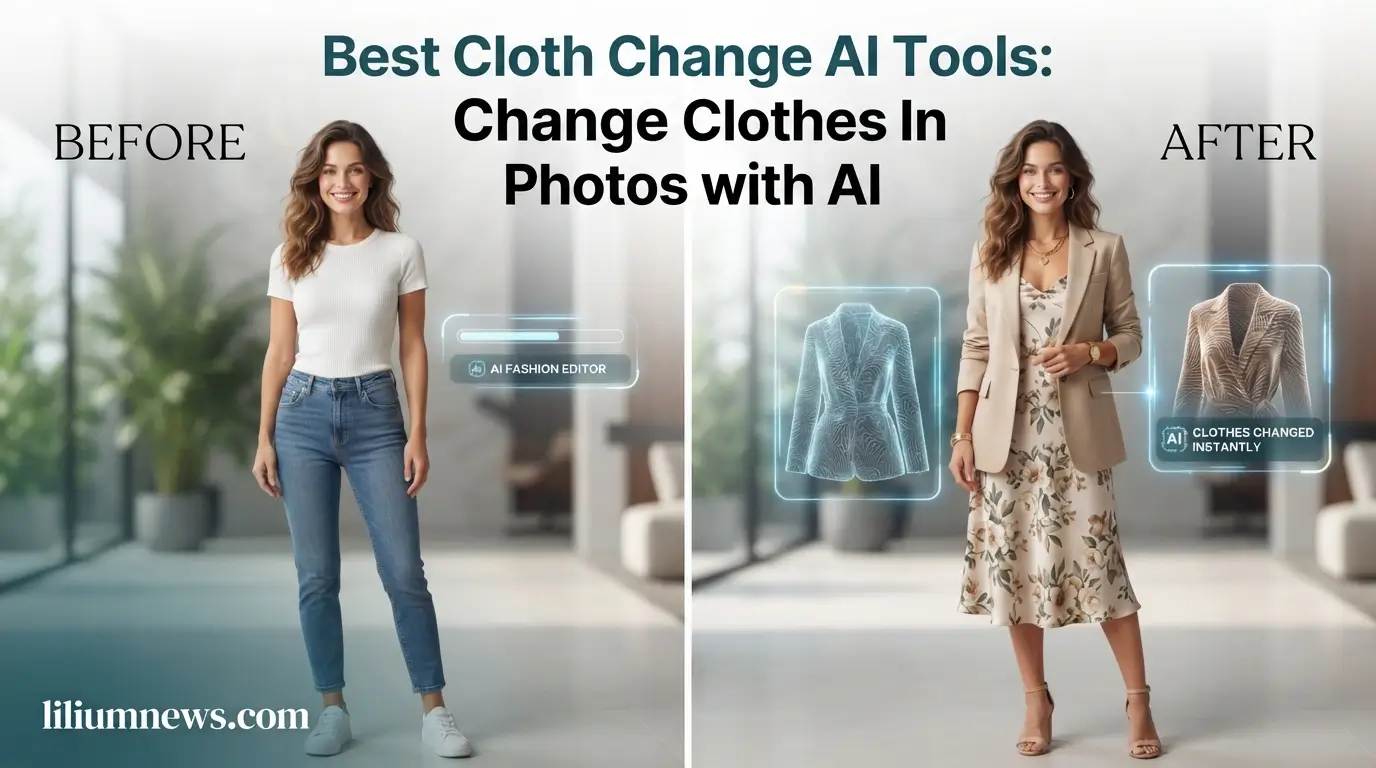
Welcome to Lilium News. Artificial intelligence has transformed the way people edit photos, and cloth change ai is one of the most exciting innovations in this space. Instead of manually editing clothing or using advanced design software, AI-powered tools can replace outfits, change styles, and generate realistic clothing in just a few clicks. Whether you want to experiment with fashion, create engaging social media content, or enhance product photography, these tools make the process fast and accessible.
Modern cloth change ai platforms use advanced machine learning models to understand body shape, posture, lighting, and fabric details before generating a new outfit that blends naturally into the original image. From casual wear to formal attire and creative costumes, AI can produce realistic clothing transformations while preserving facial features and the overall quality of the photo.
What Is Cloth Change AI?
Cloth change ai refers to artificial intelligence technology that automatically replaces or modifies clothing in digital photos. Instead of editing images manually in software such as Photoshop, users simply upload a photo, describe the desired outfit, or choose from preset styles. The AI analyzes the image and generates a realistic replacement within seconds. This technology is powered by deep learning models trained on millions of images. These models recognize body proportions, clothing textures, shadows, folds, and lighting conditions to create natural-looking results.
Today, cloth change ai is widely used by:
- Fashion enthusiasts
- Content creators
- E-commerce businesses
- Online clothing stores
- Marketing agencies
- Designers
- Photographers
Its growing popularity comes from its ability to save time while producing professional-quality results with minimal effort.
How AI Clothing Changers Work
Although each platform uses its own algorithms, the process generally follows these steps: Instead of editing images manually in software such as Photoshop, users simply upload a photo, describe the desired outfit, or choose from preset styles. The AI analyzes the image and generates a realistic replacement within seconds. This technology is powered by deep learning models trained on millions of images. These models recognize body proportions, clothing textures, shadows, folds, and lighting conditions to create natural-looking results.
- Upload a clear image.
- The AI detects the person’s body, pose, and existing clothing.
- The user selects or describes a new outfit.
- The AI generates a replacement that matches the image’s lighting, perspective, and proportions.
- The final image is ready for download.
Many advanced tools also allow users to refine the generated image by adjusting colors, clothing styles, sleeves, accessories, or overall appearance.
AI Clothing Replacement vs. Virtual Try-On
While these terms are often used interchangeably, they serve different purposes. Instead of editing images manually in software such as Photoshop, users simply upload a photo, describe the desired outfit, or choose from preset styles. The AI analyzes the image and generates a realistic replacement within seconds. This technology is powered by deep learning models trained on millions of images. These models recognize body proportions, clothing textures, shadows, folds, and lighting conditions to create natural-looking results.
| Feature | AI Clothing Replacement | Virtual Try-On |
| Purpose | Replace clothing in an existing photo | Preview clothing before purchasing |
| Input | Existing image | User photo or live camera |
| Main Users | Content creators, designers, marketers | Online shoppers |
| Customization | High | Moderate |
| Output | Edited image | Shopping preview |
Understanding this difference helps users choose the right solution for their specific needs.
Benefits of Using Cloth Change AI
The popularity of cloth change ai continues to grow because it simplifies clothing edits while producing realistic and visually appealing results. Instead of editing images manually in software such as Photoshop, users simply upload a photo, describe the desired outfit, or choose from preset styles. The AI analyzes the image and generates a realistic replacement within seconds. This technology is powered by deep learning models trained on millions of images. These models recognize body proportions, clothing textures, shadows, folds, and lighting conditions to create natural-looking results. Whether you’re an individual creator or a business, AI-powered clothing editors offer several practical advantages.
Save Time on Photo Editing
Traditional clothing edits often require professional software, advanced editing skills, and significant time. AI automates this process, allowing users to create realistic outfit changes within minutes. Instead of editing images manually in software such as Photoshop, users simply upload a photo, describe the desired outfit, or choose from preset styles. The AI analyzes the image and generates a realistic replacement within seconds.
This technology is powered by deep learning models trained on millions of images. These models recognize body proportions, clothing textures, shadows, folds, and lighting conditions to create natural-looking results. This increased efficiency is especially valuable for businesses that need to edit large volumes of product or marketing images.
Experiment with Different Outfits Instantly
One of the biggest advantages of cloth change ai is the ability to test multiple clothing styles without taking new photos. Instead of editing images manually in software such as Photoshop, users simply upload a photo, describe the desired outfit, or choose from preset styles. The AI analyzes the image and generates a realistic replacement within seconds. This technology is powered by deep learning models trained on millions of images. These models recognize body proportions, clothing textures, shadows, folds, and lighting conditions to create natural-looking results.
For example, you can compare:
- Business suits
- Casual outfits
- Sportswear
- Traditional clothing
- Formal dresses
- Seasonal fashion
This flexibility helps users discover styles that best suit their preferences or project requirements.
Improve Social Media Content
Content creators use cloth change ai to create fresh and visually appealing content for social media platforms such as Instagram, TikTok, Pinterest, and YouTube. Instead of organizing separate photo shoots for every outfit, they can upload a single image and use AI to generate multiple clothing styles. This allows creators to experiment with different fashion trends, seasonal looks, or branded outfits without spending extra time or money on new photography sessions.
Using cloth change ai also helps creators maintain a consistent posting schedule while reducing production costs. By quickly generating multiple outfit variations from one photo, they can produce more content in less time and focus on creativity rather than complex editing. This makes AI clothing changers a valuable tool for influencers, fashion bloggers, marketers, and anyone looking to create professional-quality visuals efficiently.
Support Fashion and E-commerce Businesses
Fashion retailers increasingly use AI-powered editing tools to improve product presentation and marketing campaigns. Using cloth change AI also helps creators maintain a consistent posting schedule while reducing production costs. By quickly generating multiple outfit variations from one photo, they can produce more content in less time and focus on creativity rather than complex editing. This makes AI clothing changers a valuable tool for influencers, fashion bloggers, marketers, and anyone looking to create professional-quality visuals efficiently.
Common business applications include:
- Product catalog creation
- Advertising campaigns
- Personalized recommendations
- Virtual fashion previews
- Digital marketing content
- Seasonal promotions
These applications help businesses showcase products more efficiently while maintaining consistent visual quality.
Read also: Google Gemini AI Photo Editing Prompts: Free Templates For Stunning Edits.
How to Use Cloth Change AI
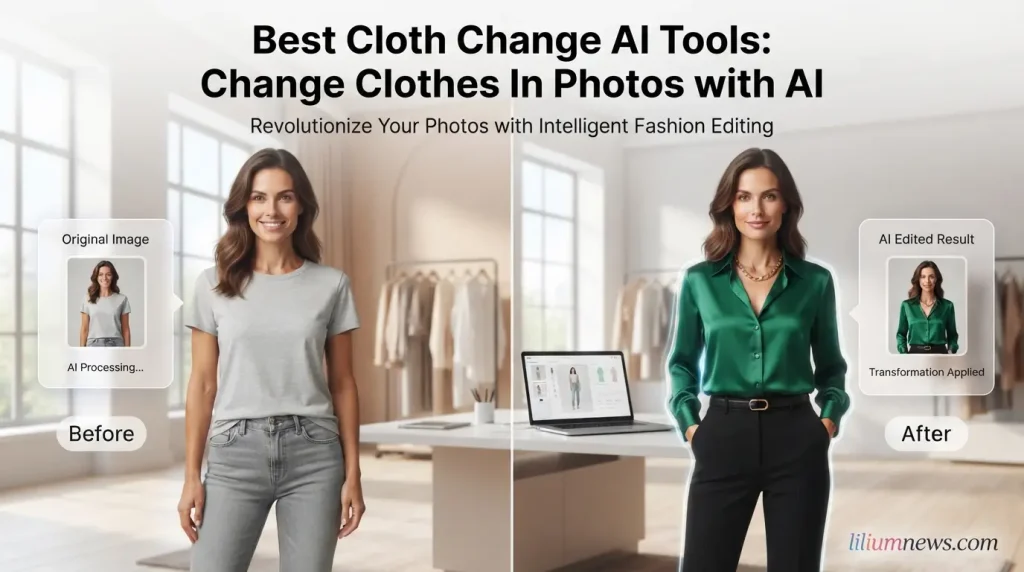
Using Cloth Change AI is a simple process that requires no advanced editing skills. Most AI clothing changer tools follow a similar workflow, allowing users to replace outfits in just a few minutes. Whether you want to create casual, formal, or creative looks, the process is straightforward and designed for beginners as well as professionals. To achieve the best results, start with a high-quality photo where the subject is clearly visible. Good lighting, a natural pose, and a clutter-free background help the AI accurately detect body shape and clothing, resulting in more realistic outfit transformations.
Step 1: Upload Your Image
The first step in using a cloth change ai tool is uploading a clear, high-resolution photo. Most platforms support popular image formats such as JPG, JPEG, and PNG, making the upload process quick and straightforward. For the best results, choose a photo where the person is clearly visible, facing the camera or standing at a slight angle, with the entire outfit in view. Good lighting and a simple background also help the AI accurately detect body shape, clothing, and other important details.
Avoid uploading blurry, low-resolution, dark, or heavily edited images, as these can affect the quality of the generated results. Since AI relies on visual details to replace clothing realistically, poor-quality photos may lead to distorted outfits or unnatural edges. Starting with a clean, sharp image allows the cloth change ai system to produce more accurate, realistic, and professional-looking clothing transformations.
Step 2: Choose or Describe the New Outfit
Once your image is uploaded, select a clothing style from the available templates or describe the outfit using a text prompt. Many AI tools allow you to specify details such as clothing type, color, fabric, pattern, and style. Since AI relies on visual details to replace clothing realistically, poor-quality photos may lead to distorted outfits or unnatural edges. Starting with a clean, sharp image allows the cloth change ai system to produce more accurate, realistic, and professional-looking clothing transformations.
For example, instead of writing “change clothes,” you could use a more detailed prompt like:
- Navy blue business suit with a white shirt
- Casual denim jacket with black jeans
- Elegant red evening gown
- Traditional cultural outfit with gold embroidery
Providing clear and specific instructions helps the AI generate more accurate and visually appealing results.
Step 3: Generate the New Outfit
After selecting or describing the outfit, click the Generate button to let the cloth change ai tool process your image. The AI analyzes key elements such as the person’s body shape, pose, lighting, and existing clothing before creating a new outfit that blends naturally with the original photo. Advanced AI models also consider shadows, fabric textures, and proportions to produce a realistic and visually appealing result.
Most cloth change ai platforms complete the generation process within a few seconds, although the exact processing time may vary depending on the image resolution, the complexity of the requested outfit, and current server traffic. If the generated image is not exactly what you expected, you can refine your text prompt, select a different clothing style, or regenerate the image. Experimenting with different prompts and settings often helps achieve a more accurate and natural-looking outfit transformation.
Step 4: Review and Download the Image
Once the cloth change ai tool generates the edited image, take a moment to review the final result carefully. Check whether the new outfit fits naturally with the person’s body shape, matches the lighting and perspective of the original photo, and has realistic colors and textures. Also, ensure that small details such as sleeves, collars, and fabric edges appear smooth and natural. Most AI platforms allow you to regenerate the image or make minor adjustments if you’re not fully satisfied with the initial output.
After you’re happy with the final version, download the image in your preferred resolution. If you plan to use the image for professional purposes, such as marketing campaigns, e-commerce listings, websites, or printed materials, choose the highest available resolution to maintain image quality. High-resolution downloads ensure that your edited photos remain sharp, detailed, and visually appealing across different digital and print platforms.
Tips for Getting the Best Results with Cloth Change AI
While AI clothing changers are highly advanced, the quality of the final image depends on the photo you upload and the instructions you provide. Following a few best practices can significantly improve the realism and overall appearance of the generated outfit. naturally, the colors look realistic, and the details match your intended style. Many platforms allow you to regenerate the image or make minor adjustments before downloading. When you’re satisfied with the final output, download it in your preferred resolution. High-resolution images are ideal for marketing materials, websites, print projects, and social media posts, ensuring your content looks professional across different platforms.
Use High-Quality Images
Always begin with a sharp, high-resolution photo to get the best results from a cloth change ai tool. Images with good lighting, clear details, and a well-defined subject help the AI accurately detect body shape, clothing outlines, and fabric textures. A clean, high-quality image provides the AI with more information, making it easier to generate realistic outfit replacements that blend naturally with the original photo.
Avoid using blurry, pixelated, low-resolution, or heavily compressed images, as they can reduce the accuracy of the AI. Poor-quality photos often cause issues such as distorted clothing, uneven edges, or unrealistic textures. By starting with a clear and properly lit image, you significantly improve the chances of achieving professional-looking and natural clothing transformations.
Write Detailed Prompts
If your chosen cloth change ai tool supports text prompts, be as specific as possible. Instead of requesting a generic outfit, include details such as color, fabric, fit, and style. Avoid using blurry, pixelated, low-resolution, or heavily compressed images, as they can reduce the accuracy of the AI. Poor-quality photos often cause issues such as distorted clothing, uneven edges, or unrealistic textures. By starting with a clear and properly lit image, you significantly improve the chances of achieving professional-looking and natural clothing transformations.
For example:
Less Effective Prompt
- Blue dress
Better Prompt
- Elegant royal blue satin evening dress with long sleeves and silver accents
Detailed prompts provide more context, enabling the AI to generate clothing that closely matches your vision.
Match the Outfit to the Pose
Choose clothing that matches the person’s pose and body position in the original photo. A cloth change ai tool performs best when the selected outfit fits naturally with the subject’s posture and the angle of the image. For example, if the person is standing upright, most clothing styles will generate realistic results. However, if the subject is sitting, bending, crossing their arms, or partially hidden, certain outfits may not align correctly with the body’s position.
Oversized coats, long dresses, capes, or heavily layered clothing can sometimes appear unnatural when the original pose restricts how the AI interprets the body. To achieve a more realistic transformation, select outfits that complement the image composition and visible body posture. Matching the clothing style to the subject’s pose helps the cloth change ai generate smoother edges, accurate fabric placement, and a more natural overall appearance.
Experiment with Different Styles
Don’t settle for the first image generated by a cloth change ai tool. Most AI platforms allow you to create multiple versions of the same photo, giving you the opportunity to experiment with different colors, patterns, fabrics, and clothing styles. Small changes to your text prompt or outfit selection can significantly improve the realism and overall appearance of the final image.
Testing several variations also helps you compare different looks and choose the one that best matches your purpose, whether it’s for social media, marketing, e-commerce, or personal use. If one result doesn’t look natural, try refining your prompt by adding more specific details about the clothing style, color, or material. Experimenting with multiple generations is one of the easiest ways to achieve a high-quality, professional-looking result with cloth change ai.
Common Mistakes to Avoid
Even the best cloth change ai tools can produce less-than-ideal results if common mistakes are overlooked. Factors such as poor-quality photos, vague prompts, incorrect lighting, or unsuitable outfit choices can reduce the accuracy of the AI and make the edited image appear unrealistic. Understanding these common issues can help you avoid unnecessary errors and achieve better results from the start. By following a few simple best practices, you can significantly improve both the quality and realism of your AI-generated images. Using clear photos, providing detailed outfit descriptions, and selecting clothing that matches the subject’s pose will help the cloth change ai tool create natural-looking transformations that require little or no additional editing.
Uploading Low-Quality Photos
Poor image quality is one of the most common reasons why a cloth change ai tool produces unrealistic results. Low-resolution, blurry, dark, or heavily compressed photos make it difficult for the AI to accurately identify clothing edges, body shape, fabric textures, and other important details. As a result, the generated outfit may appear distorted, misaligned, or unnatural, reducing the overall quality of the edited image.
Solution: Always upload a clear, well-lit, and high-resolution photo. Choose an image with good lighting, minimal background distractions, and a visible full-body or upper-body view, depending on your editing needs. Starting with a high-quality image gives the cloth change ai system more visual information to work with, resulting in sharper, more realistic, and professional-looking clothing transformations.
Using Vague Prompts
Generic prompts often result in random or inaccurate outfit generation. Always upload a clear, well-lit, and high-resolution photo. Choose an image with good lighting, minimal background distractions, and a visible full-body or upper-body view, depending on your editing needs. Starting with a high-quality image gives the cloth change ai system more visual information to work with, resulting in sharper, more realistic, and professional-looking clothing transformations.
Instead of:
- Change my clothes
Try:
- Modern black leather jacket with slim-fit blue jeans and white sneakers
Specific instructions produce more consistent and realistic outcomes.
Ignoring Lighting and Perspective
Lighting and camera angle play a crucial role in creating realistic results with a cloth change ai tool. If the newly generated outfit does not match the lighting, shadows, or perspective of the original photo, the edited image may appear artificial or poorly blended. For example, clothing generated for a brightly lit image may look unnatural if the original photo was taken in dim lighting or from an unusual angle.
Solution: Choose photos with even, natural lighting and a clear camera angle whenever possible. Avoid images with harsh shadows, strong backlighting, or extreme perspectives, as these can make it more difficult for the AI to generate a seamless clothing replacement. A well-lit photo with a consistent angle allows the cloth change ai system to create more accurate, realistic, and visually appealing outfit transformations.
Excessive Editing
Applying multiple AI edits to the same image can gradually reduce its overall quality and make the final result appear unnatural. Each time an image is edited and regenerated, details such as textures, edges, lighting, and facial features may become less accurate. Repeated modifications can also introduce visual artifacts, making the clothing transformation look less realistic than intended.
Solution: Whenever possible, start with the original, unedited photo instead of repeatedly modifying an already edited version. If you want to try different outfits, generate multiple versions directly from the original image rather than editing the same file multiple times. This approach helps preserve image clarity, maintain realistic clothing details, and allows the cloth change ai tool to produce cleaner, more professional-looking results.
Frequently Asked Questions
What is cloth change ai?
Cloth change ai is an AI-powered technology that automatically replaces or modifies clothing in photos. Users simply upload an image, choose or describe a new outfit, and the AI generates a realistic clothing transformation within seconds.
Is cloth change ai free to use?
Many AI clothing changer tools offer free plans with limited features or image generations. Premium subscriptions usually provide higher-resolution downloads, faster processing, advanced editing options, and additional customization features.
Which cloth change ai tool creates the most realistic results?
The best tool depends on your needs. Platforms like Fotor, OpenArt, Canva, and LightX are popular choices, each offering different features for beginners, designers, marketers,clothing-change AI creators.
Can AI change clothes without affecting the face?
Yes. Most modern cloth change ai tools are designed to preserve facial features, hairstyles, and body proportions while replacing only the clothing. The quality of the result depends on the original image and the AI model being used.
Is it safe to upload personal photos to AI clothing changer tools?
Most reputable platforms use secure systems to protect user data, but it’s still important to review their privacy policy before uploading personal images. Avoid sharing highly sensitive or confidential photos with any online AI service.
Conclusion
Cloth change ai has made it easier than ever to change outfits in photos without advanced editing skills. Whether you’re a content creator, fashion enthusiast, marketer, or online business owner, AI-powered clothing changers can save time while producing realistic and professional-looking results. With just a few clicks, you can experiment with different styles, create engaging visuals, and enhance your digital content. Most reputable platforms use secure systems to protect user data, but it’s still important to review their privacy policy before uploading personal images.
Avoid sharing highly sensitive or confidential photos with any online AI service. To achieve the best outcome, use high-quality photos, write detailed prompts, and choose a reliable AI platform that prioritizes privacy and security. As the technology continues to improve, cloth change ai will become an even more powerful tool for fashion visualization, virtual styling, and creative image editing.
