


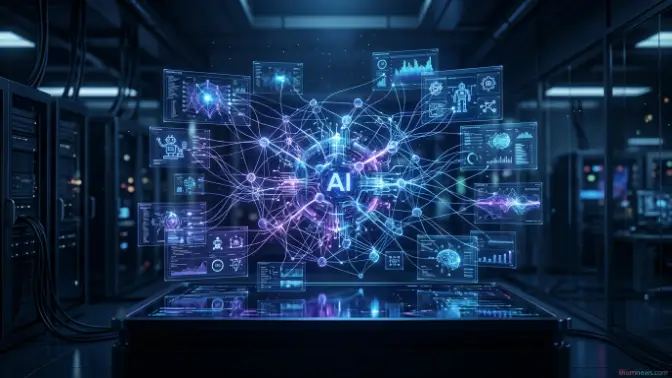
Welcome to liliumnews. Artificial intelligence is rapidly changing how people work, create, and solve problems. Among emerging AI technologies, OpenFuture AI represents the growing movement toward smarter, automated, and more efficient digital solutions. AI platforms like this aim to help users handle complex tasks, analyze information, and improve productivity through intelligent systems. Unlike traditional software that follows fixed instructions, AI-based systems can analyze patterns, learn from data, and generate responses based on changing requirements.
This makes AI tools valuable across multiple industries, including business, education, technology, healthcare, and content creation. In this guide, we will explore what OpenFuture AI is, how it works, its main features, practical applications, benefits, limitations, and future potential. Whether you are a beginner exploring artificial intelligence or a professional interested in AI-powered solutions, understanding these capabilities can help you make better decisions about using modern AI technology.
What Is OpenFuture AI?
OpenFuture AI refers to an artificial intelligence-focused platform or technology concept designed to provide advanced AI capabilities for users, businesses, and developers. It represents the idea of using intelligent systems to automate tasks, process information, and create more efficient digital experiences.Modern AI platforms combine technologies such as machine learning, natural language processing, automation, and data analysis to deliver smarter solutions. The goal is to reduce repetitive work, improve decision-making, and help users achieve better results with less manual effort.
The Role of AI in Future Technology
Artificial intelligence is becoming a major part of digital transformation. Businesses are adopting AI to improve operations, understand customers, and automate everyday processes. Unlike traditional software that follows fixed instructions, AI-based systems can analyze patterns, learn from data, and generate responses based on changing requirements. This makes AI tools valuable across multiple industries, including business, education, technology, healthcare, and content creation.
Future AI technologies are expected to focus on:
- More accurate decision-making
- Better automation capabilities
- Improved human-computer interaction
- Faster data analysis
- Personalized digital experiences
As AI continues to develop, platforms like OpenFuture AI highlight the increasing importance of intelligent technology in everyday life.
How Does OpenFuture AI Work?
AI platforms work by combining data processing, machine learning models, and automated systems to produce useful results. The general process includes collecting information, analyzing patterns, and generating AI-powered outputs based on user requirements. For example, a user may provide instructions, questions, or data. The AI system processes this information and provides responses, recommendations, predictions, or automated solutions. Unlike traditional software that follows fixed instructions, AI-based systems can analyze patterns, learn from data, and generate responses based on changing requirements. This makes AI tools valuable across multiple industries, including business, education, technology, healthcare, and content creation.
AI Models and Data Processing
The foundation of OpenFuture AI depends on AI models trained to recognize patterns and understand information. Unlike traditional software that follows fixed instructions, AI-based systems can analyze patterns, learn from data, and generate responses based on changing requirements. This makes AI tools valuable across multiple industries, including business, education, technology, healthcare, and content creation. These models process large amounts of data to identify relationships and generate meaningful results.
The basic workflow includes:
- Data input from users or connected systems
- AI analysis using trained models
- Pattern recognition and information processing
- Generation of useful outputs or recommendations
The quality of results often depends on the accuracy of data and the clarity of user instructions.
User Interaction and AI Automation
Modern AI platforms are designed to make technology easier to access. Users can interact with AI through simple commands, prompts, or automated workflows. Unlike traditional software that follows fixed instructions, AI-based systems can analyze patterns, learn from data, and generate responses based on changing requirements. This makes AI tools valuable across multiple industries, including business, education, technology, healthcare, and content creation.
AI automation can help with:
- Managing repetitive tasks
- Organizing information
- Generating content ideas
- Supporting business operations
- Improving productivity
This allows individuals and organizations to focus more on creative and strategic activities.
Read also: Narayana Murthy AI Warning: What It Means for Jobs and Future
Key Features of OpenFuture AI
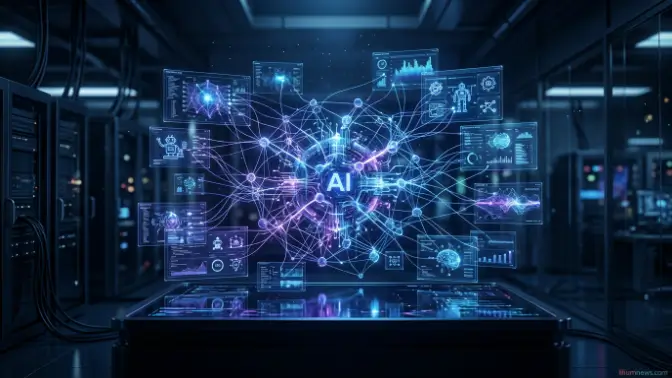
AI platforms are valuable because of their ability to provide intelligent assistance and automation. Some important features associated with advanced AI solutions include the following. Unlike traditional software that follows fixed instructions, AI-based systems can analyze patterns, learn from data, and generate responses based on changing requirements. This makes AI tools valuable across multiple industries, including business, education, technology, healthcare, and content creation.
AI-Powered Automation
Automation is one of the biggest advantages of artificial intelligence. OpenFuture AI can support automated workflows by reducing the need for repetitive manual tasks. Unlike traditional software that follows fixed instructions, AI-based systems can analyze patterns, learn from data, and generate responses based on changing requirements. This makes AI tools valuable across multiple industries, including business, education, technology, healthcare, and content creation.
Examples include:
- Automated data processing
- Task scheduling
- Content assistance
- Workflow optimization
By handling routine activities, AI allows users to save time and improve efficiency.
Intelligent Data Analysis
AI systems can process large amounts of information faster than traditional methods. Unlike traditional software that follows fixed instructions, AI-based systems can analyze patterns, learn from data, and generate responses based on changing requirements. This makes AI tools valuable across multiple industries, including business, education, technology, healthcare, and content creation. Intelligent analysis helps users discover patterns, trends, and insights.
Businesses can use AI analysis for:
- Customer behavior research
- Market understanding
- Performance tracking
- Data-based decisions
Scalable AI Solutions
A strong AI platform should support different user needs. AI solutions can be useful for individuals, small businesses, and larger organizations. Unlike traditional software that follows fixed instructions, AI-based systems can analyze patterns, learn from data, and generate responses based on changing requirements. This makes AI tools valuable across multiple industries, including business, education, technology, healthcare, and content creation.
Scalable AI applications allow users to expand their technology usage as their requirements grow. AI automation helps users complete tasks faster by reducing unnecessary manual effort. This allows more time for important activities that require human creativity and decision-making. AI can analyze information and identify patterns that may be difficult to notice manually. These insights can support smarter decisions in business and personal projects.
Benefits of Using OpenFuture AI
AI can analyze information and identify patterns that may be difficult to notice manually. These insights can support smarter decisions in business and personal projects. Scalable AI applications allow users to expand their technology usage as their requirements grow. AI automation helps users complete tasks faster by reducing unnecessary manual effort. This allows more time for important activities that require human creativity and decision-making. AI can analyze information and identify patterns that may be difficult to notice manually.
| Benefit | Explanation |
| Increased productivity | Automates repetitive activities and saves time |
| Better decisions | Provides AI-supported insights from data |
| Improved efficiency | Reduces manual work and speeds up processes |
| Innovation support | Helps users develop new ideas and solutions |
Practical Uses of OpenFuture AI
Artificial intelligence has applications across many fields. The flexibility of AI systems makes them useful for different types of users. Scalable AI applications allow users to expand their technology usage as their requirements grow. AI automation helps users complete tasks faster by reducing unnecessary manual effort. This allows more time for important activities that require human creativity and decision-making. AI can analyze information and identify patterns that may be difficult to notice manually.
Business Applications
Companies can use AI Technology to improve daily operations. Scalable AI applications allow users to expand their technology usage as their requirements grow. AI automation helps users complete tasks faster by reducing unnecessary manual effort. This allows more time for important activities that require human creativity and decision-making. AI can analyze information and identify patterns that may be difficult to notice manually.
Common business uses include:
- Customer support automation
- Marketing assistance
- Data analysis
- Workflow management
- Business forecasting
AI helps businesses operate more efficiently while improving customer experiences.
Personal Productivity
Scalable AI applications allow users to expand their technology usage as their requirements grow. AI automation helps users complete tasks faster by reducing unnecessary manual effort. This allows more time for important activities that require human creativity and decision-making. AI can analyze information and identify patterns that may be difficult to notice manually.Individuals can use AI tools to support everyday tasks.
Examples include:
- Research assistance
- Learning support
- Writing improvement
- Organization and planning
AI can act as a digital assistant that helps users complete tasks more effectively.
Developer and Technology Uses
Developers can use AI systems to create smarter applications and automate technical processes. Scalable AI applications allow users to expand their technology usage as their requirements grow. AI automation helps users complete tasks faster by reducing unnecessary manual effort. This allows more time for important activities that require human creativity and decision-making. AI can analyze information and identify patterns that may be difficult to notice manually.
Possible uses include:
- Software development support
- AI-powered applications
- Data processing systems
- Intelligent automation solutions
Common Mistakes When Using AI Platforms
Many users make mistakes when using AI platforms because they expect instant and perfect results without providing clear instructions. One common issue is using unclear prompts, which can lead to inaccurate or irrelevant answers. Users should provide detailed information, explain their goals, and include the necessary context to help AI generate better results. Another mistake is ignoring AI limitations, as AI tools can sometimes produce incorrect information and require human review before important decisions are made.
Using Unclear Instructions
A vague request can lead to poor results because AI platforms rely on the information and instructions provided by users. When a prompt is too short or unclear, the AI may misunderstand the user’s intention, miss important details, or generate a response that does not match expectations. For example, asking an AI tool to “write about technology” does not explain the topic focus, target audience, length, or purpose, making it difficult for the AI to create useful content.
The best way to avoid this problem is to provide detailed prompts with clear goals and expectations. Users should mention what they need, who the content is for, the preferred format, important points to include, and the desired outcome. A well-structured prompt gives the AI better guidance, helping it produce more accurate, relevant, and valuable results while reducing the need for repeated corrections.
Ignoring AI Limitations
AI systems may sometimes produce inaccurate information because they generate responses based on patterns learned from available data rather than true understanding or real-time verification. In some cases, AI can provide outdated facts, misunderstand a question, or create information that sounds correct but is not completely accurate. This is especially important when using AI for business decisions, research, financial information, or other important tasks.
The solution is to always verify important AI-generated outputs before making decisions. Users should check information through reliable sources, review facts carefully, and apply their own judgment. AI should be used as a helpful assistant that supports decision-making, while human verification ensures accuracy and reliability.
Expecting Complete Automation
AI is designed to assist users by improving productivity, providing information, and automating repetitive tasks, but it cannot completely replace human judgment. AI systems do not always understand context, emotions, business goals, or complex situations like humans do. Depending entirely on AI without reviewing its results can lead to mistakes, incorrect decisions, or poor-quality outcomes.
The solution is to use AI as a productivity partner while maintaining human oversight. Users should allow AI to handle tasks such as data analysis, idea generation, and automation while using their own knowledge and experience to review and improve the final results. Combining AI capabilities with human creativity and decision-making leads to more accurate, reliable, and effective outcomes.
The Future Potential of OpenFuture AI
The future of artificial intelligence is expected to bring more advanced automation, smarter systems, and improved user experiences. The solution is to use AI as a productivity partner while maintaining human oversight. Users should allow AI to handle tasks such as data analysis, idea generation, and automation while using their own knowledge and experience to review and improve the final results. Combining AI capabilities with human creativity and decision-making leads to more accurate, reliable, and effective outcomes.
Future AI developments may include:
- More personalized AI assistants
- Better understanding of human language
- Advanced business automation
- Faster problem-solving capabilities
As organizations continue adopting AI technologies, platforms like OpenFuture AI represent the broader movement toward intelligent digital solutions.The success of future AI systems will depend on responsible development, accurate data usage, and effective human collaboration.
Frequently Asked Questions
What is OpenFuture AI?
OpenFuture AI is an AI-focused technology concept designed to provide intelligent solutions through automation, data processing, and machine learning capabilities.
How can businesses use OpenFuture AI?
Businesses can use AI technology for automation, customer support, data analysis, marketing assistance, and improving operational efficiency.
Is OpenFuture AI suitable for beginners?
Yes, AI platforms are increasingly designed to be user-friendly. Beginners can use them for productivity, learning, and basic automation tasks.
What are the limitations of OpenFuture AI?
Common limitations include possible inaccuracies, privacy concerns, and the need for human review of AI-generated results.
How will OpenFuture AI evolve in the future?
Future developments may include smarter automation, improved AI accuracy, and wider adoption across different industries.
Conclusion
Artificial intelligence is transforming the way people and businesses interact with technology by making everyday tasks more efficient, automated, and data-driven. OpenFuture AI represents the potential of AI-powered systems to help users improve productivity, reduce manual work, process large amounts of information, and make smarter decisions. By using advanced AI capabilities, organizations and individuals can find new ways to solve problems, improve workflows, and create innovative digital solutions.
However, while AI offers powerful advantages, it is important to understand that AI systems are not perfect and may sometimes produce incorrect or incomplete results. Users should review AI-generated information and combine AI assistance with human knowledge and judgment. As AI technology continues to develop, solutions like OpenFuture AI could play an important role in shaping the future of digital innovation by creating more intelligent, efficient, and connected experiences.
