


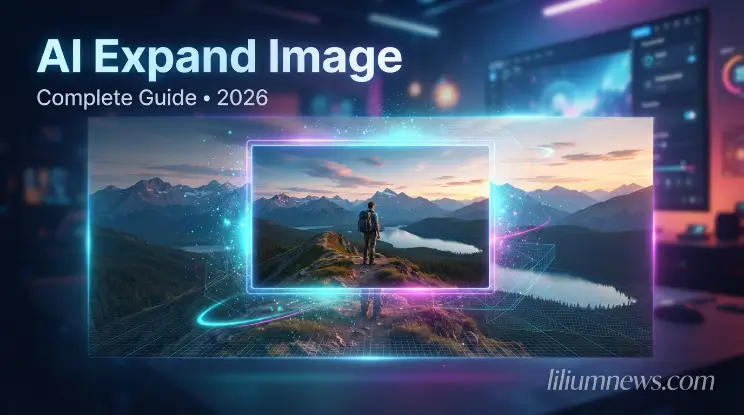
Welcome to Lilium News. Artificial intelligence has transformed image editing, making it possible to expand photos beyond their original borders in just a few clicks. Whether you need to create a wider landscape, adjust an image to fit social media dimensions, or extend a product photo, AI expand image technology can generate realistic content that blends seamlessly with the existing image. AI expand image is an AI-powered editing technique that enlarges an image by generating new content around its existing edges. Instead of simply stretching or scaling the picture, artificial intelligence analyzes the original photo and creates realistic extensions that match the colors, lighting, textures, and perspective.
This process allows users to transform a tightly cropped image into a wider composition without making it look artificial. The generated areas are designed to blend naturally with the original image, producing a seamless final result. Unlike traditional editing methods that require advanced skills, modern AI image expansion tools use generative AI to analyze the scene, predict missing details, and create natural-looking extensions. This guide explains how AI expand image expansion works, the best tools to use, and the step-by-step process for achieving professional-quality results.
What Is AI Expand Image?
AI expand image is an AI-powered editing technique that enlarges an image by generating new content around its existing edges. Instead of simply stretching or scaling the picture, artificial intelligence analyzes the original photo and creates realistic extensions that match the colors, lighting, textures, and perspective. This process allows users to transform a tightly cropped image into a wider composition without making it look artificial. The generated areas are designed to blend naturally with the original image, producing a seamless final result.
Definition
AI expand image is an AI-powered editing technique that enlarges an image by generating new content around its existing edges. Instead of simply stretching or scaling the picture, artificial intelligence analyzes the original photo and creates realistic extensions that match the colors, lighting, textures, and perspective.
This process allows users to transform a tightly cropped image into a wider composition without making it look artificial. The generated areas are designed to blend naturally with the original image, producing a seamless final result. Unlike manual editing, where extending a background often requires cloning and detailed retouching, AI completes the task automatically in seconds.
AI Image Expansion vs. Cropping vs. Resizing
Although these editing techniques may appear similar, they serve different purposes. This process allows users to transform a tightly cropped image into a wider composition without making it look artificial. The generated areas are designed to blend naturally with the original image, producing a seamless final result. Unlike manual editing, where extending a background often requires cloning and detailed retouching, AI completes the task automatically in seconds.
| Feature | AI Expand Image | Cropping | Resizing |
| Changes Canvas Size | Yes | No | No |
| Creates New Content | Yes | No | No |
| Uses Artificial Intelligence | Yes | No | No |
| Maintains Image Quality | Yes | Usually | Depends |
| Best For | Extending backgrounds | Removing unwanted areas | Changing dimensions |
Cropping removes unwanted portions of an image, while resizing changes the dimensions of the entire image. In contrast, AI expand image adds new visual elements beyond the original borders, making it ideal for situations where additional space is needed.
What Is AI Outpainting?
AI outpainting is another term commonly used for AI expand image. Instead of editing what’s already inside the image, outpainting focuses on generating new content outside the existing boundaries. For example, if you have a portrait with little background, AI outpainting can create additional scenery on the left, right, top, or bottom. The AI studies nearby pixels and predicts what the surrounding environment should look like, producing an expanded image that appears natural.
Many modern AI editors use outpainting technology for tasks such as:
- Expanding landscape photos
- Creating widescreen wallpapers
- Extending product backgrounds
- Adjusting images for different social media platforms
- Designing website banners
This capability has become especially useful for photographers, marketers, designers, and content creators who need images in multiple aspect ratios without losing quality.
How Does AI Expand Image Work?
AI expand image works by using artificial intelligence to analyze the existing content of a photo and generate new pixels beyond its original borders. Instead of stretching or duplicating the image, AI studies elements like colors, lighting, textures, objects, and perspective to predict what the missing areas should look like. This process, often called AI outpainting or generative expansion, creates realistic extensions that blend naturally with the original image. Once the image is analyzed, the AI generates new content that matches the surrounding scene, ensuring consistent lighting, shadows, and textures. It then refines the generated areas by smoothing transitions and removing visible seams, resulting in a seamless, high-quality image. This allows users to expand photos for social media, websites, marketing materials, or creative projects without requiring advanced editing skills.
AI Context Recognition
The first step in AI expand image is understanding the existing image. AI models analyze every visible detail, including: Once the image is analyzed, the AI generates new content that matches the surrounding scene, ensuring consistent lighting, shadows, and textures. It then refines the generated areas by smoothing transitions and removing visible seams, resulting in a seamless, high-quality image. This allows users to expand photos for social media, websites, marketing materials, or creative projects without requiring advanced editing skills.
- Colors
- Patterns
- Shadows
- Lighting
- Object placement
- Perspective
- Textures
Using deep learning, the AI identifies relationships between these elements and predicts what should naturally exist beyond the image boundaries. For example, if the original image contains a beach, the AI recognizes the sand, ocean, and sky. When expanding the canvas, it continues these elements naturally instead of filling the space with random textures. This intelligent analysis is what allows AI-generated extensions to appear realistic.
Generative Fill Technology
Generative Fill is the core technology behind most AI expand image tools. Rather than copying nearby pixels repeatedly, generative AI creates entirely new image content based on patterns learned from millions of images. This enables the software to produce realistic scenery, objects, textures, and backgrounds that match the original composition.
For instance:
- A mountain landscape can be extended with additional peaks and trees.
- A studio product photo can receive a larger, seamless background.
- A portrait can gain extra space around the subject for improved composition.
Since the AI generates unique content instead of duplicating pixels, the final image looks more natural and visually consistent.
Read also: AI Work EditProTips: Smart AI Editing Tips To Boost Productivity
Matching Background, Lighting, and Perspective
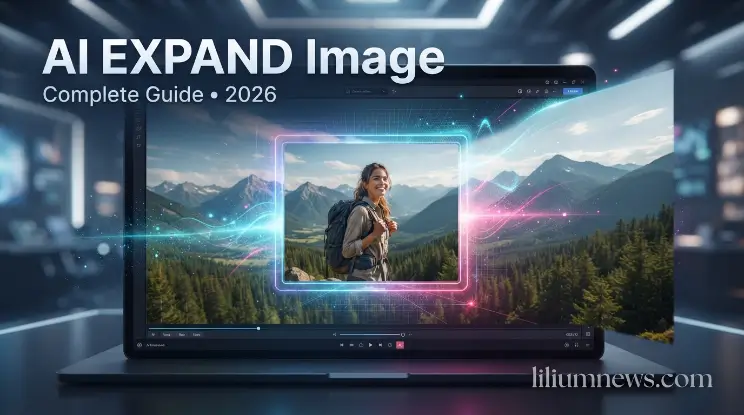
One of the biggest strengths of AI expand image is its ability to maintain visual consistency. Once the image is analyzed, the AI generates new content that matches the surrounding scene, ensuring consistent lighting, shadows, and textures. It then refines the generated areas by smoothing transitions and removing visible seams, resulting in a seamless, high-quality image. This allows users to expand photos for social media, websites, marketing materials, or creative projects without requiring advanced editing skills. During the expansion process, AI carefully evaluates:
Lighting
The generated areas are carefully designed to match the original image’s lighting, brightness, shadows, and color balance. Before creating new content, the AI analyzes the direction of the light source, the intensity of highlights, and the depth of shadows. Using this information, it generates new pixels that follow the same lighting conditions, ensuring the expanded areas blend naturally with the existing image instead of looking edited or out of place.
Beyond lighting, the AI also preserves the image’s perspective, textures, and overall composition. It extends backgrounds, objects, and patterns while maintaining consistent depth and visual flow. Advanced AI models refine the generated content by smoothing transitions, correcting color variations, and adding realistic details. As a result, the final expanded image appears seamless, making it difficult to distinguish between the original photo and the AI-generated extension.
Colors
AI analyzes the original image’s color palette, including tones, saturation, contrast, and gradients, to ensure the newly generated areas match perfectly. Instead of introducing random or mismatched colors, it creates content that follows the same visual style as the existing image, resulting in a consistent and realistic appearance.
By maintaining color consistency throughout the image, AI prevents visible differences between the original and expanded sections. This seamless color matching helps the generated content blend naturally with the rest of the photo, making the final image look as though it was captured in a single shot rather than extended using AI.
Perspective
AI carefully analyzes the perspective of the original image before generating new content. It identifies the angles, distances, and positions of existing objects to ensure that any newly created elements follow the same visual perspective. This helps maintain the natural alignment of roads, buildings, landscapes, and other objects, preventing the expanded image from looking distorted or unrealistic.
In addition to perspective, AI preserves the correct size and proportions of objects based on their position within the scene. Distant objects remain smaller, while closer objects appear larger, just as they would in a real photograph. By maintaining accurate depth, scale, and spatial relationships, the AI creates an expanded image that looks realistic and seamlessly blends with the original composition.
Texture
AI carefully analyzes the perspective of the original image before generating new content. It identifies the angles, distances, and positions of existing objects to ensure that any newly created elements follow the same visual perspective. This helps maintain the natural alignment of roads, buildings, landscapes, and other objects, preventing the expanded image from looking distorted or unrealistic.
In addition to perspective, AI preserves the correct size and proportions of objects based on their position within the scene. Distant objects remain smaller, while closer objects appear larger, just as they would in a real photograph. By maintaining accurate depth, scale, and spatial relationships, the AI creates an expanded image that looks realistic and seamlessly blends with the original composition.
How to Expand an Image Using AI (Step-by-Step)
Expanding an image with AI is a quick and straightforward process that requires only a few simple steps. Most AI image editors are designed with user-friendly interfaces, allowing anyone to enlarge a photo without advanced editing skills. By analyzing the original image, the AI automatically generates realistic content that blends seamlessly with the existing background, making the expansion look natural. To expand an image, start by uploading your photo to an AI image expansion tool and choose the direction or aspect ratio for the new canvas. If the tool supports text prompts, you can describe the content you want the AI to generate. After the AI creates the expanded image, review the results, make any necessary adjustments, and download the final version in high quality for use on websites, social media, presentations, or print materials.
Step 1: Choose an AI Image Expansion Tool
Begin by selecting an AI-powered image editor that supports image expansion or outpainting. To expand an image, start by uploading your photo to an AI image expansion tool and choose the direction or aspect ratio for the new canvas. If the tool supports text prompts, you can describe the content you want the AI to generate. After the AI creates the expanded image, review the results, make any necessary adjustments, and download the final version in high quality for use on websites, social media, presentations, or print materials.
When comparing tools, consider:
- Image quality
- Ease of use
- Processing speed
- Supported file formats
- Free versus paid features
- Export resolution
Choosing the right tool will have a significant impact on the quality of your final image.
Step 2: Upload Your Image
After opening the tool, upload the image you want to expand. If the tool supports text prompts, you can describe the content you want the AI to generate. After the AI creates the expanded image, review the results, make any necessary adjustments, and download the final version in high quality for use on websites, social media, presentations, or print materials.
For the best results:
- Use a high-resolution image.
- Ensure the photo is well-lit.
- Avoid heavy compression or pixelation.
- Start with the original image whenever possible.
Higher-quality source images give the AI more visual information to work with, resulting in cleaner and more realistic expansions.
Step 3: Select the Expansion Direction
Decide where you want the AI to generate new content. To expand an image, start by uploading your photo to an AI image expansion tool and choose the direction or aspect ratio for the new canvas. If the tool supports text prompts, you can describe the content you want the AI to generate.
Common options include:
- Expand left
- Expand right
- Expand upward
- Expand downward
- Expand all sides
Step 4: Add an Optional Prompt
Some AI image expansion tools allow you to provide a text prompt to guide the generated content. If the tool supports text prompts, you can describe the content you want the AI to generate. After the AI creates the expanded image, review the results, make any necessary adjustments, and download the final version in high quality for use on websites, social media, presentations, or print materials.
Examples include:
- “Continue the mountain landscape with pine trees.”
- “Extend the blue sky with soft white clouds.”
- “Add a modern office background.”
- “Expand the beach with gentle waves and sand.”
Clear, descriptive prompts help the AI generate content that closely matches your creative vision, especially for complex scenes or specific styles.
Benefits of Using AI Expand Image
Using AI expand image technology offers numerous advantages over traditional image editing methods. It saves time, improves creativity, and allows users to create larger, more versatile images without compromising quality. Instead of removing important parts of an image, AI expands the canvas by generating new content around the original photo. This helps preserve the main subject while providing extra space for different layouts and aspect ratios.
Creates More Space Without Cropping
Instead of cropping important parts of a photo, AI expands the image by creating new content around its existing edges. It analyzes the surrounding elements, such as backgrounds, textures, and objects, to generate realistic extensions that blend seamlessly with the original image. This allows users to increase the canvas size without losing any essential details.
By preserving the main subject and adding extra space around it, AI expand image makes it easier to adapt photos for different aspect ratios and layouts. Whether you need a square image for Instagram, a widescreen banner for a website, or a vertical format for Stories, AI provides the additional space while maintaining the image’s overall quality and composition.
Saves Time and Effort
Traditional image expansion often requires advanced photo editing skills and time-consuming techniques such as cloning, content-aware fill, and manual background reconstruction. Editors must carefully recreate missing areas while maintaining consistent lighting, colors, and perspective, making the process both complex and labor-intensive.
With AI expand image, the entire workflow is automated. The AI analyzes the original image, understands its visual context, and generates realistic content around the existing photo in just a few seconds. This eliminates the need for manual editing while delivering high-quality, seamless results that are suitable for personal, professional, and commercial use.
Improves Content for Multiple Platforms
Different digital platforms require images in different sizes and aspect ratios. For example, Instagram favors square or portrait images, YouTube thumbnails use a 16:9 format, and websites often require wide banner images. Instead of creating separate designs or cropping important parts of a photo, AI expand image adds extra space around the original image to fit these requirements while preserving the main subject.
This flexibility allows you to use a single image across multiple platforms without losing quality or composition. Whether you’re designing social media posts, website banners, presentations, advertisements, or print materials, AI-generated image expansion quickly adapts your photo to the required dimensions, saving both time and editing effort while maintaining a professional appearance.
Produces Natural-Looking Results
Modern AI expand image tools use advanced deep learning models to generate realistic backgrounds that blend naturally with the original photo. Before creating new content, the AI analyzes important visual elements such as lighting, colors, textures, shadows, and perspective. It then uses this information to generate image extensions that maintain the same style and composition, ensuring the expanded areas look authentic rather than artificially edited.
Because the AI preserves visual consistency across the entire image, the transition between the original and generated sections is smooth and nearly invisible. Fine details, natural textures, and accurate object placement further enhance the realism of the final result. As a result, the expanded image appears as though it was originally captured with a larger frame, making it difficult to distinguish between the original photo and the AI-generated content.
Supports Creative Projects
AI expand image is a valuable tool for designers, photographers, marketers, and content creators who need to adapt images for different projects. Instead of creating new visuals from scratch, they can expand existing photos to fit posters, advertisements, website banners, wallpapers, presentations, and promotional graphics. This saves time while preserving the original image’s quality and composition.
The AI automatically generates realistic background extensions that match the original image, allowing professionals to focus more on creativity than manual editing. Whether it’s creating space for text in a marketing banner, resizing a product image for an online store, or designing large-format print materials, AI expand image provides a fast and efficient solution for producing professional-quality visuals.
Best Practices for Better AI Expand Image Results
Following a few best practices can significantly improve the quality and realism of your AI-generated images. While modern AI image expansion tools produce impressive results automatically, using high-quality source images, selecting appropriate expansion areas, and providing clear prompts can help the AI generate more accurate and visually consistent content. Taking a few extra moments to review and refine the generated image can also make a noticeable difference. Checking for inconsistencies in lighting, colors, textures, or perspective and regenerating specific sections when needed helps ensure the final image looks natural, seamless, and suitable for professional use.
Use High-Resolution Images
Starting with a clear, high-resolution image gives the AI more visual information to analyze, including colors, textures, lighting, and fine details. This allows the AI to better understand the image’s overall composition and generate new content that accurately matches the original scene. Images with good lighting and minimal compression typically produce the most realistic expansion results.
On the other hand, low-quality or heavily compressed images may lack the detail needed for accurate AI analysis. This can lead to blurry textures, inconsistent colors, or unrealistic background generation. Using the highest-quality version of your image helps the AI create sharper, more detailed, and seamless expansions that look natural and professional.
Expand Images Gradually
Instead of expanding an image by a large amount in a single step, it’s often better to increase the canvas size gradually. Smaller expansions give the AI more context to work with, allowing it to generate backgrounds, textures, and objects that blend naturally with the original image. This approach helps maintain consistency in lighting, colors, and perspective throughout the editing process.
Gradual expansion also reduces the risk of unrealistic or inaccurate AI-generated content, such as distorted objects, repeated patterns, or unnatural backgrounds. By reviewing the results after each expansion and making adjustments when necessary, you can achieve a more seamless, high-quality image that looks realistic and professionally edited.
Write Clear AI Prompts
If your AI expand image tool supports text prompts, use clear and specific descriptions to guide the AI. Instead of using vague instructions like “expand the image,” provide detailed prompts such as “extend the forest with tall pine trees,” “continue the blue sky with soft white clouds,” or “add a sandy beach with gentle waves.” Specific prompts give the AI a better understanding of the scene you want to create, leading to more accurate and realistic results.
Well-written prompts also help maintain consistency between the original image and the newly generated areas. By describing the desired environment, objects, lighting, or style, you reduce the chances of the AI generating irrelevant or unrealistic content. Taking a few extra seconds to write a detailed prompt can significantly improve the overall quality and natural appearance of the expanded image.
Review and Regenerate
Always review the AI-generated areas carefully before finalizing your image. Check for inconsistencies in lighting, colors, textures, object placement, or perspective that may make the expanded sections appear unnatural. Even the most advanced AI expand image tools can occasionally generate small imperfections, so taking the time to inspect the results helps ensure a polished and realistic final image.
If you notice any areas that don’t blend seamlessly with the original photo, use the tool’s regenerate or refine option to recreate only that section. Most AI image editors allow you to regenerate specific regions without affecting the rest of the image. Repeating this process until the generated content matches the original image will produce a more natural, high-quality result suitable for professional and creative projects.
Frequently Asked Questions
What is AI expand image?
AI expand image is an AI-powered editing technique that extends a photo beyond its original borders by generating realistic new content. Instead of stretching existing pixels, AI analyzes the image and creates seamless background extensions that match the original scene.
Is AI expand image free?
Many AI image expansion tools offer free plans with basic features, while advanced options such as higher resolutions, faster processing, and premium editing tools may require a paid subscription. The available features vary depending on the platform you choose.
Does AI image expansion reduce image quality?
No, most modern AI image expansion tools are designed to preserve image quality while generating new content. Using a high-resolution source image generally produces the best and most realistic results.
What is AI outpainting?
AI outpainting is another name for AI expand image. It refers to the process of generating new visual content outside the original boundaries of an image while maintaining consistent lighting, colors, textures, and perspective.
Which is the best AI expand image tool?
The best tool depends on your needs. Adobe Firefly is ideal for professional editing, Canva Magic Expand is excellent for beginners and social media content, while tools like Fotor, Pixelcut, and Clipdrop provide fast online image expansion for everyday use.
Conclusion
AI expand image has transformed the way people edit and resize photos by making image expansion faster, easier, and more realistic than ever before. Instead of manually recreating backgrounds or cropping important elements, AI intelligently generates new content that matches the original image’s lighting, colors, textures, and perspective. This allows users to create professional-quality visuals with minimal effort.
Whether you’re a photographer, designer, marketer, or content creator, AI expand image can help you adapt images for websites, social media, presentations, advertisements, and print materials without compromising quality. By choosing the right AI tool, using high-resolution images, and following best practices, you can achieve seamless expansions that look natural and enhance your creative projects.
